|
|
|
GRANT OPPORTUNITY |
|
Applications Open for the 2026 Incubator Grant |
 |
|
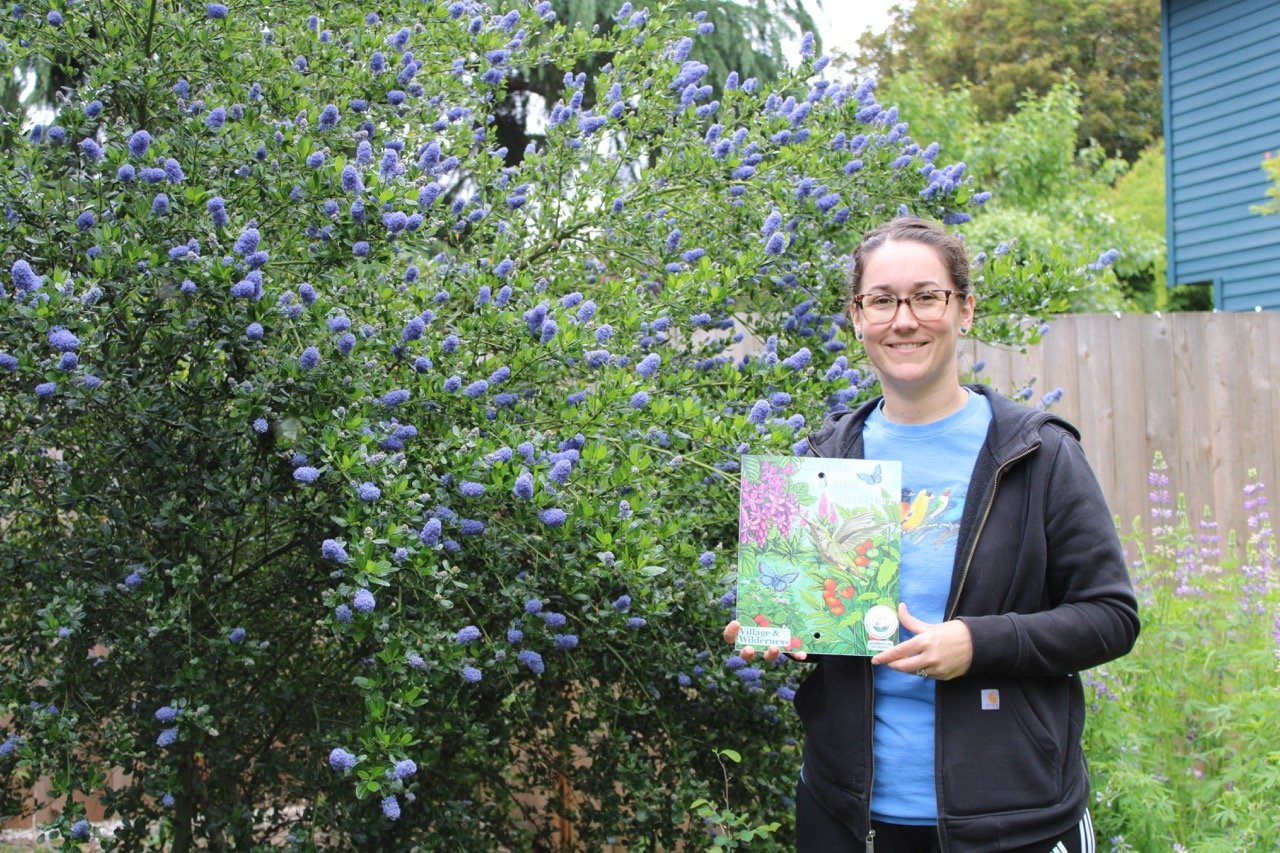
A Habitat & Harvest participant celebrates her new yard sign in Yamhill County, Oregon. This program was launched with support from our 2025 Incubator Grant. Photo source: Yamhill Soil and Water Conservation District
|
|
Do you know an organization interested in launching a microhabitat program in its community? Applications are now open for the 2026 Incubator Grant, an opportunity designed to help community-based organizations, including conservation organizations, land trusts, conservation districts, native plant groups, and others develop and launch new microhabitat programs.
The Incubator Grant provides seed funding, planning tools, and technical support through a two-stage process: a Planning Award to develop a strategic plan, followed by a StartUp Award to help selected organizations launch their programs. Eligible programs must be new initiatives that work across multiple sites within a community and provide participants with site-specific ecological guidance.
The application deadline for Planning Awards is November 30, 2026 or until funds are fully allocated. To learn more about eligibility requirements, program details, and how to apply, visit our website or review the Incubator Grant prospectus.
|
| Read the Grant Prospectus |
|
|
|
|
|
2025 INCUBATOR GRANT |
|
What the Incubator Grant Makes Possible |
 |
|
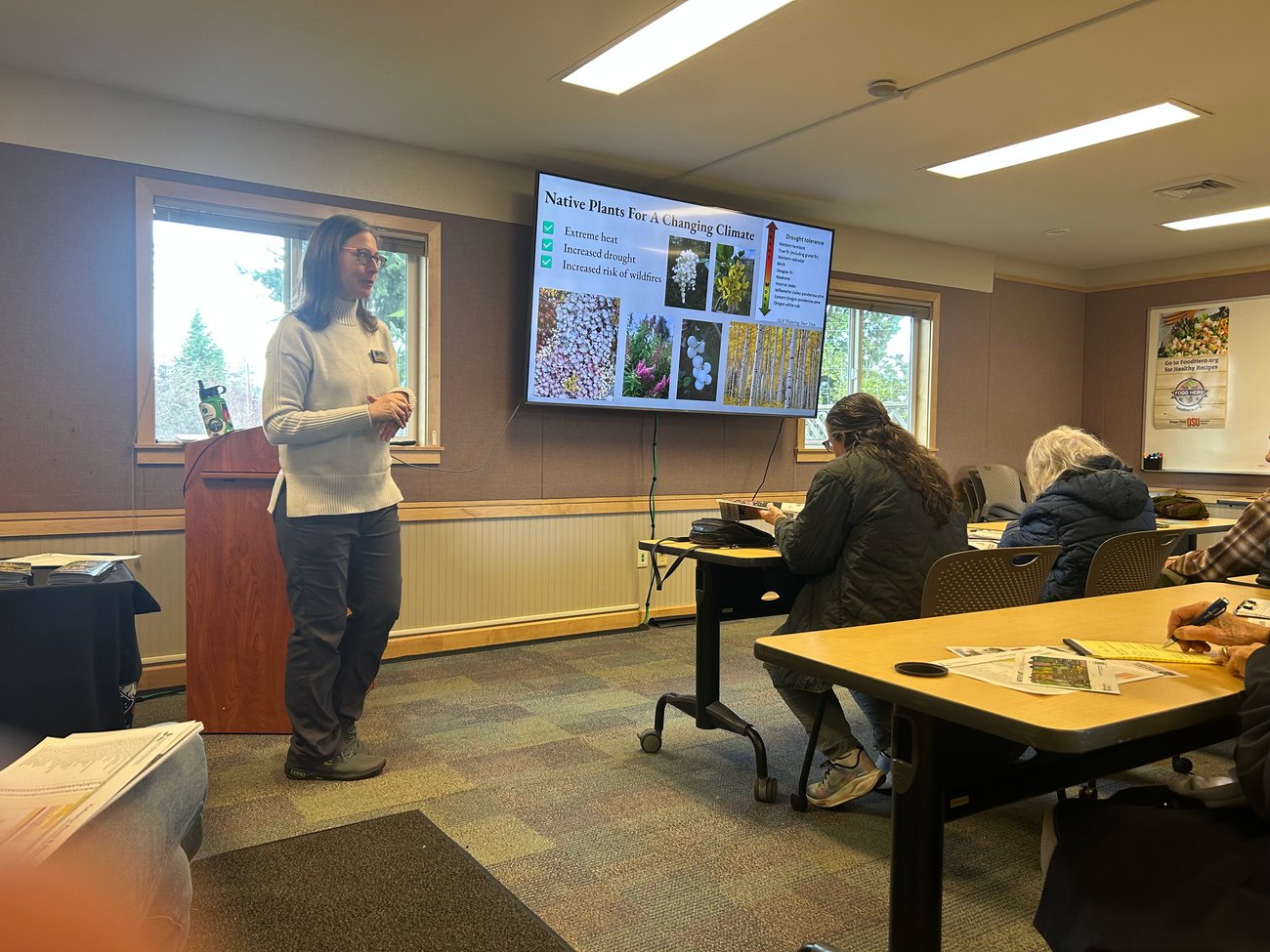
An Incubator Grant program leader shares the benefits of native plants with community members. Photo source: Hood River Soil and Water Conservation District
|
|
As applications open for the 2026 Incubator Grant cycle, we're also reflecting on the early results of our 2025 pilot. In just one year, the program supported organizations in eight states as they developed plans, built partnerships, and launched new microhabitat programs tailored to their communities and ecosystems.
From conservation districts to grassroots nonprofits, participating organizations are demonstrating how local leadership can translate into lasting ecological impact. Together, these emerging programs have the potential to influence thousands of habitat sites while cultivating a growing culture of stewardship.
|
| Check out the 2025 Incubator Grant results to date |
|
|
|
|
|
PROGRAM SPOTLIGHT |
|
Restoring Habitat, Growing Community |
 |
|
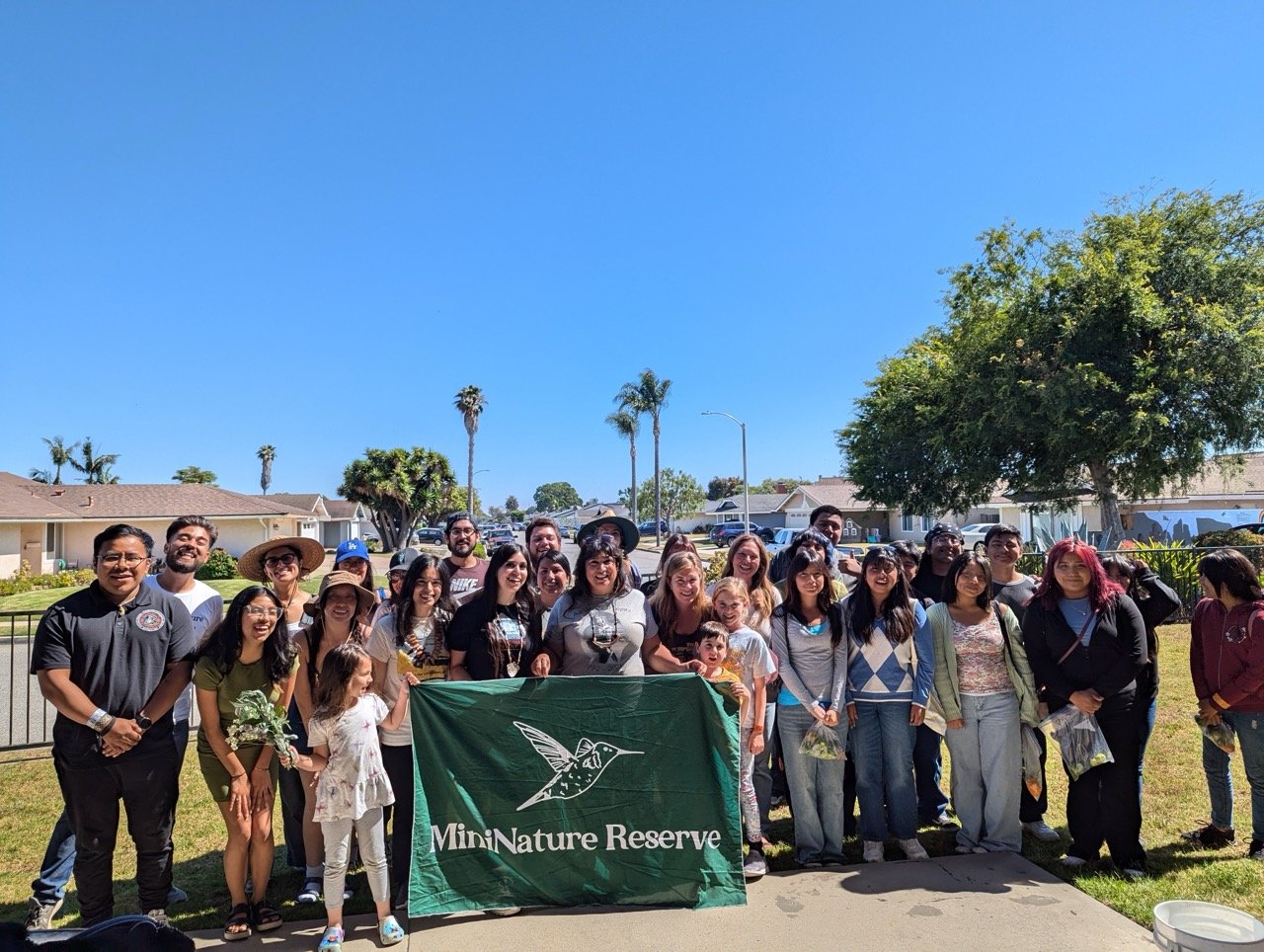
A community gathering. Photo source: MiniNature Reserve
|
|
A recent article in Bluedot Living magazine spotlights the work of MiniNature Reserve, a member of the Village and Wilderness network, in Oxnard, California. What began as a grassroots effort to revegetate neglected roadsides and vacant spaces has grown into an energizing example of community-led restoration. The program demonstrates how microhabitat restoration can do more than improve local ecology: it can foster community connections, local leadership, and a shared sense of stewardship.
|
| Learn about MiniNature Reserve |
|
|
|
|
|
IN THE MEDIA |
|
A Culture of Stewardship |
 |
|
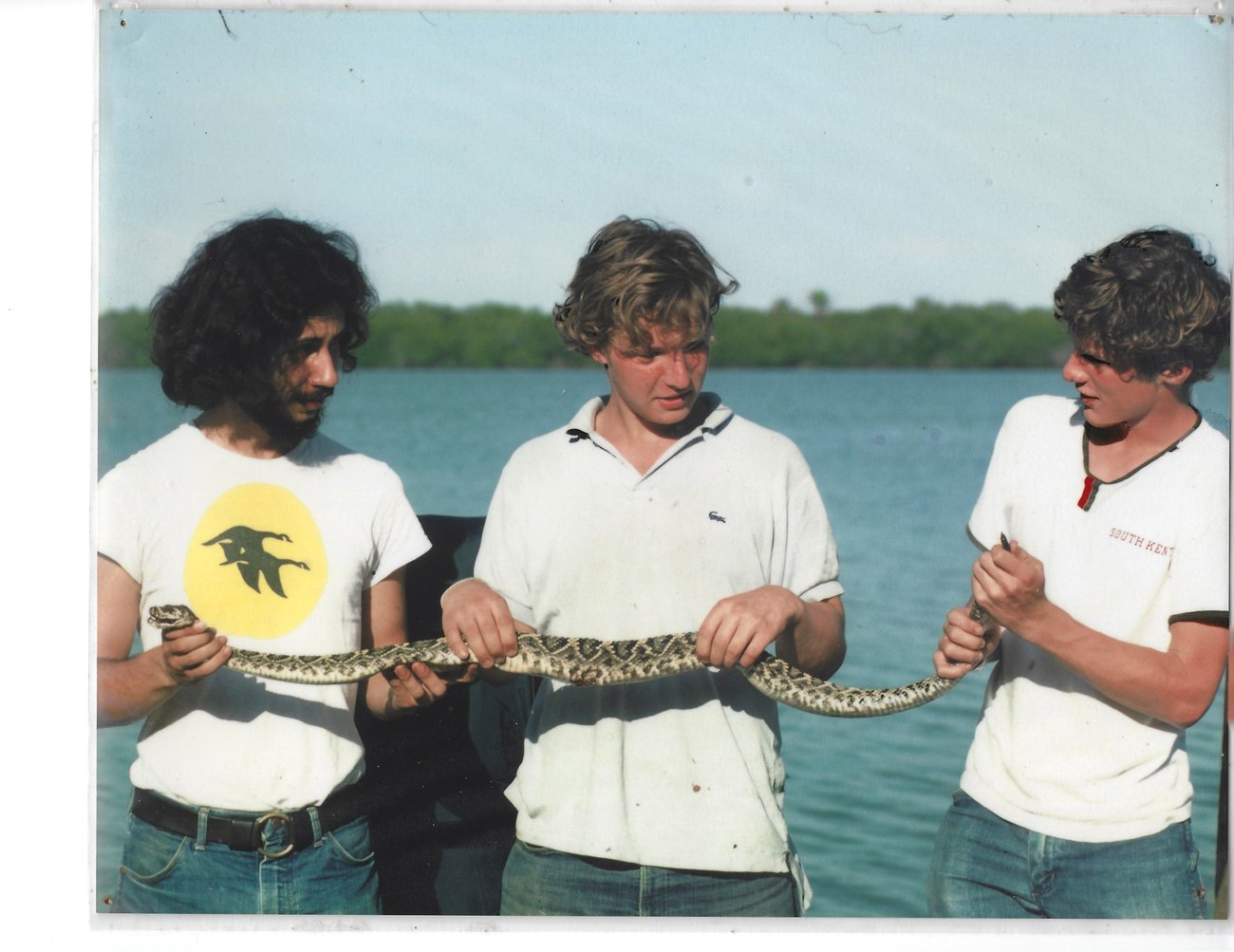
Tom in his youth, with a "brotherhood of naturalists." Photo courtesy of Gus Ben David
|
|
The themes explored in the MiniNature Reserve story are echoed in a recent essay by Tom for Bluedot Living. Drawing on examples from across the country, Tom reflects on how restoring nature often helps restore community as well. He explores how stewardship can grow into something larger: a shared ethic that connects people to one another, to place, and to the living world around them.
|
| Read the article in Bluedot Living |
|
|
|
|
|
RESEARCH |
|
The Importance of Dark Corridors |
 |
|
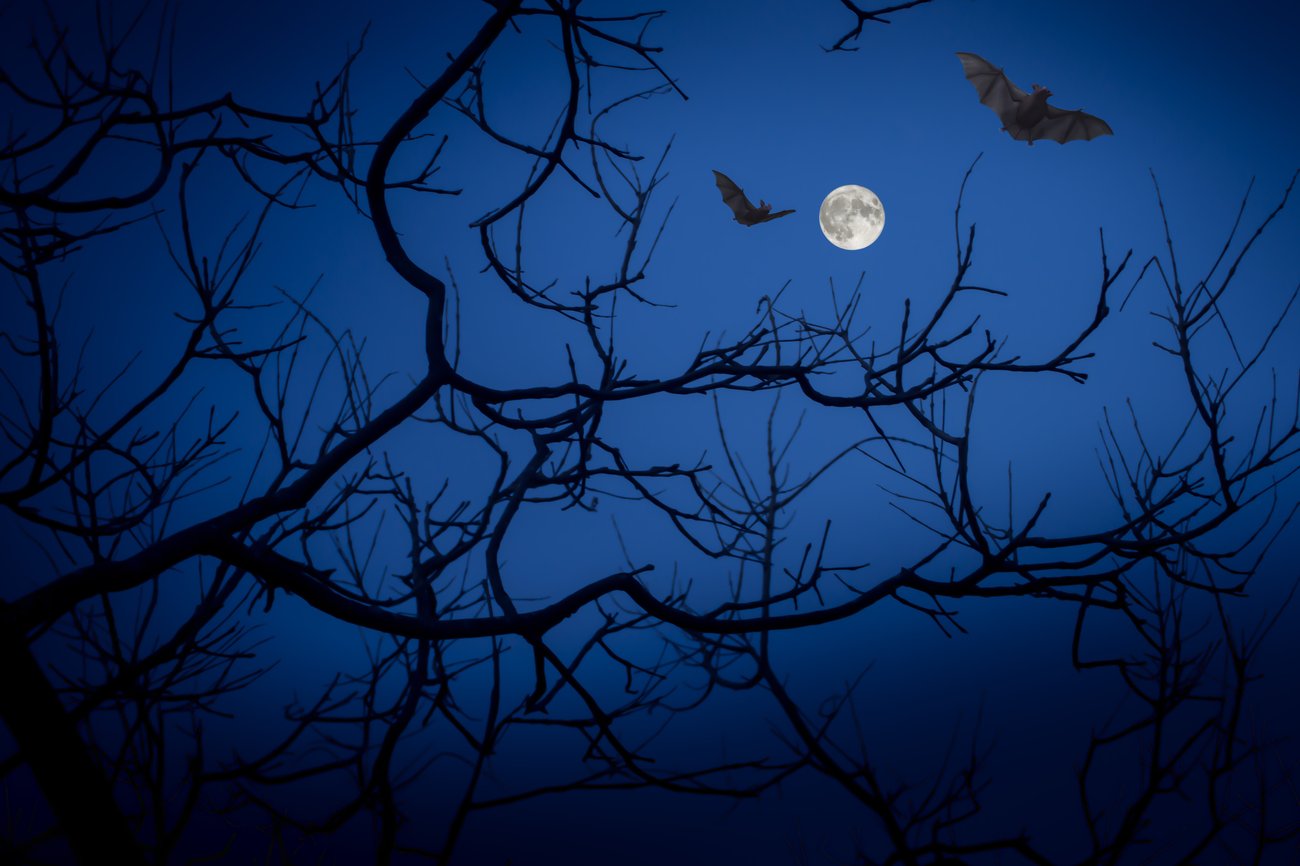
Bats rely on dark, connected corridors to move safely through human-dominated landscapes. Photo source: Pixabay
|
|
“Urban sprawl and light pollution disrupt commuting corridors of urban-roosting bats,” a study published in Science of the Total Environment, found that urban bats consistently avoid street lights when traveling between their daytime roosts and nighttime foraging grounds. Using GPS tracking, researchers discovered that bats preferentially follow dark, vegetated corridors (often along streams, rivers, and other natural features) and avoid heavily lit and densely developed areas whenever possible.
The findings underscore the importance of preserving and restoring connected green spaces within our communities. For microhabitat practitioners, the research offers a reminder that even small habitat improvements can contribute to larger networks that help wildlife move safely through human-dominated landscapes.
|
| Read more about the research |
|
|
|
|
|
|
|
What is a “Microhabitat Program”? |
|
Microhabitat programs restore ecosystem function in the fragmented landscape be it for people or biodiversity or both. Examples include community-scale efforts to create backyard habitats, bioswales in urban areas, pollinator patches in agricultural areas and more.
|
| Learn more |
|
|
|
|
|
|
|
What is the “Microhabitat Accelerator”? |
|
The Microhabitat Accelerator aims to increase both the number and impact of microhabitat programs—advancing a growing movement to restore ecosystem function across fragmented landscapes.
|
| Learn more about the Microhabitat Accelerator |
|
|
|
|
|
|
|
Interested in supporting our work? |
|
Donate today. Your support allows us to provide pro bono services to community-based nonprofits to help them create and share community-scale climate adaptation strategies—such as microhabitat programs. |
|
|
|
|
|
|
 |
|
We help community-based organizations invent, share and grow replicable, climate adaptation solutions. Our flagship project is the Microhabitat Accelerator℠. |
|
|
|
|