|
|
|
INCUBATOR GRANT UPDATE |
|
Growing the microhabitat movement with more Incubator Grant graduates |
 |
|
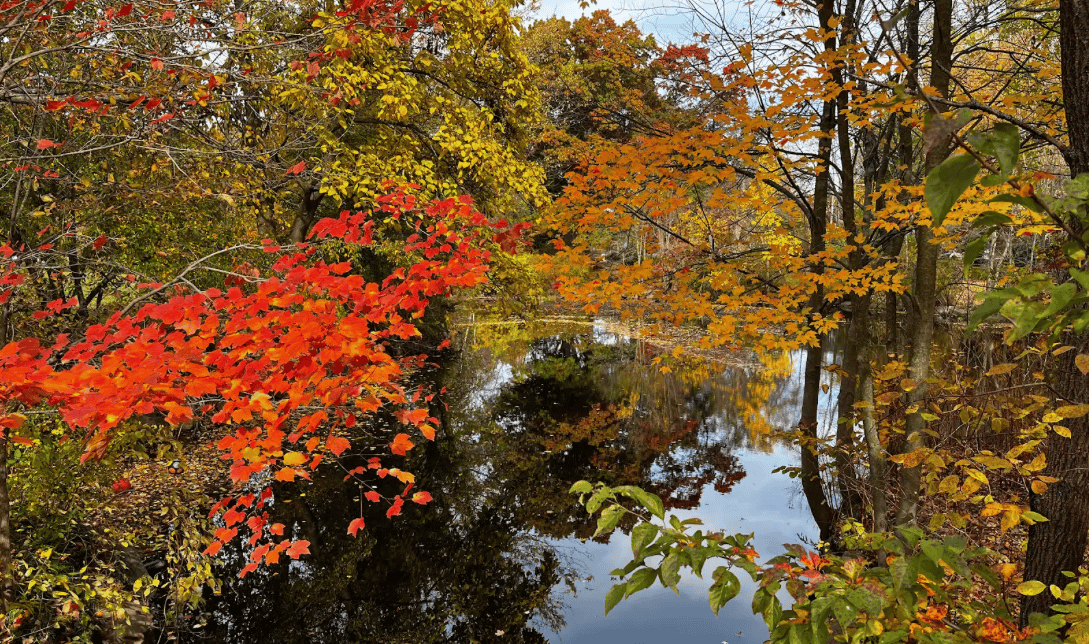
Incubating new microhabitat programs. Image source: Village and Wilderness
|
|
Since our last newsletter—when we celebrated the first graduate of our Incubator Grant—the momentum has only grown. We’re thrilled to announce five more organizations moving into the Startup phase, launching new microhabitat programs across the country:
|
-
Think Wild, Bend, Oregon
-
Yamhill Soil and Water Conservation District, McMinnville, Oregon
-
A Frog House, Pittsford, New York
-
Underwood Conservation District, White Salmon, Washington
-
Marin Backyard Habitats, Woodacre, California
|
|
More organizations are currently developing their strategic plans and will soon graduate into Startups and join the Practitioners Circle.
The Incubator Grant remains open through November 28, 2025, or until funds are fully allocated—so help us spread the word and support this next wave of new microhabitat programs.
|
|
|
| Check out the Incubator Grant |
|
|
|
|
|
TOM’S CORNER |
|
Field Craft: Where science leaves off, the stewards’ ingenuity begins… |
 |
|
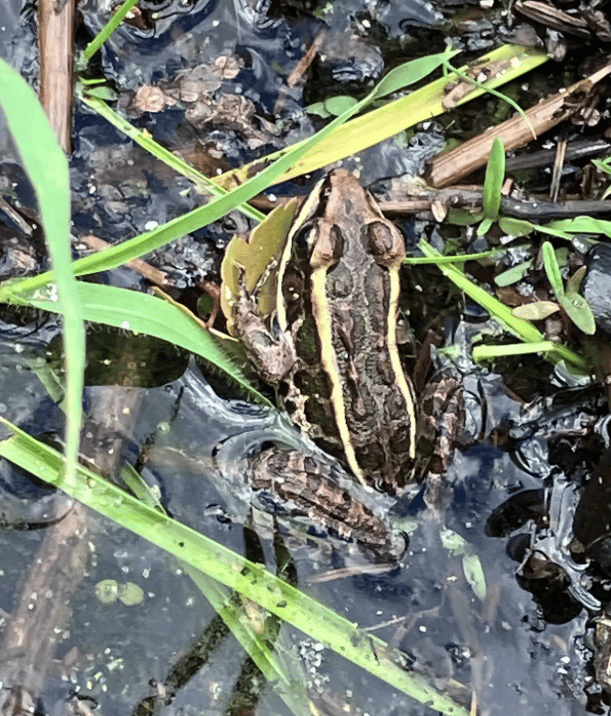
Pickerel Frog, Lithobates palustris, in backyard pond.
Photo source: Tom Chase
|
|
Prompted by a recent article on frog saunas, I’ve been contemplating the art of field craft—those small, clever tricks we learn by doing, not by reading research papers. The best ideas often come from the field itself, and I wonder what might happen if we gathered that shared, practical wisdom into a living library for the microhabitat movement…
|
 |
| Read more in this edition of Tom’s Corner |
|
|
|
|
|
IN THE MEDIA: |
|
Tom & Tripti on the “Growing Greener” Podcast |
 |
|
Image source: Growing Greener website.
|
|
We were delighted to join horticulturist Thomas Christopher on his Growing Greener podcast for the episode “Fighting Climate Change from the Bottom Up”. Together, we explored how the Microhabitat Accelerator is helping communities across the country turn small spaces—yards, verges, and school grounds—into powerful tools for climate adaptation and biodiversity restoration.
Tune in to hear how small spaces can drive big solutions—and share it with anyone who believes change begins right at home.
|
|
|
|
|
| Listen to the Podcast |
|
|
|
|
|
WEBINAR |
|
POLLINATOR PATHWAY’S WEBINAR SERIES |
 |
|
Image source: Pollinator Pathway
|
|
As the Microhabitat Accelerator builds relationships with national organizations advancing community-scale restoration, we’re excited to spotlight Pollinator Pathway and its webinar series—a forum where grassroots leaders share their own stories of restoring biodiversity one yard, park, and corridor at a time.
The Fall episode featured Uli Lorimer, Director of Horticulture at the Native Plant Trust, while the Summer 2025 “Pathway Community Leaders Sharing Success Stories” episode featured inspiring examples of how local stewards are creating connected habitats and building community momentum for pollinators across North America. We love how this series lifts up the ingenuity and persistence of people leading change from the ground up—a spirit we deeply share.
If your project supports pollinators, you can register it on the Pollinator Pathway map and join this growing network of local action.
|
|
|
| Watch Pollinator Pathway’s Summer Webinar |
|
|
|
|
|
PARTNERS SPOTLIGHT |
|
Massachusetts Urban Conservancy |
 |
|
Image Source: Massachusetts Urban Conservancy.
|
|
We were honored to join the Massachusetts Urban Conservancy (MUC)—one of the newest members of our Practitioners Circle—for a fundraising webinar in September. The session introduced MUC’s innovative approach and gave viewers an inside look at the Microhabitat Accelerator’s nuts and bolts: our community of practice, Resource Center, how-to manual, and startup grants—all guided by our mantra, More programs, Better practices.
MUC’s first project aims to preserve and restore a small, overgrown parcel in an environmental-justice neighborhood of Randolph, MA, transforming it into a thriving microhabitat and living outdoor classroom. Their model—securing “unbuildable” urban lots via donation and restoring them at low cost—is a replicable way to grow green space where it’s needed most.
|
| Support MUC’s launch |
|
|
|
|
|
RESEARCH & TECHNOLOGY |
|
Smart Tech, Cooler Streets |
 |
|
Photo source: Pixabay
|
|
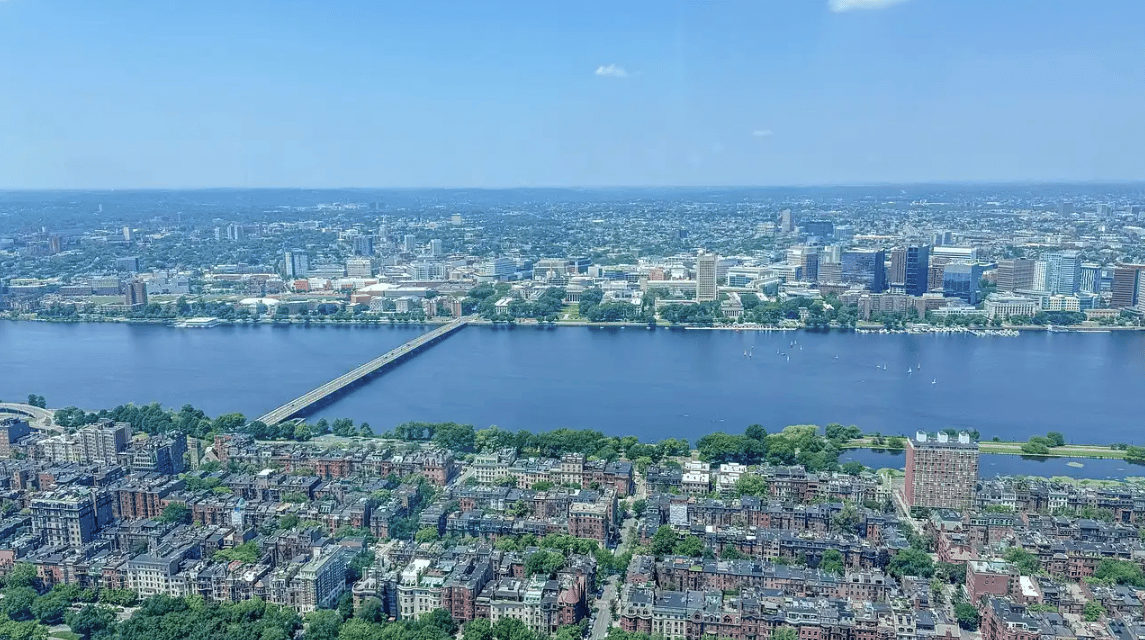
New technologies are giving cities a new tool to fight urban heat—block by block. In Boston’s Roxbury neighborhood, community-led projects like Common SENSES are deploying affordable sensors to map “urban heat islets” in real time, pinpointing which streets trap the most heat and where trees, pocket parks, or cool pavements can make the biggest impact. For microhabitat efforts everywhere, this kind of fine-grained data opens the door to smarter, more equitable cooling efforts—helping communities target small spaces that make a big difference.
|
| Learn more |
|
|
|
|
|
|
|
|
|
What is a “Microhabitat Program”? |
|
Microhabitat programs restore ecosystem function in the fragmented landscape be it for people or biodiversity or both. Examples include community-scale efforts to create backyard habitats, bioswales in urban areas, pollinator patches in agricultural areas and more.
|
| Learn more |
|
|
|
|
|
|
|
What is the “Microhabitat Accelerator”? |
|
The Microhabitat Accelerator aims to increase both the number and impact of microhabitat programs—advancing a growing movement to restore ecosystem function across fragmented landscapes. Microhabitat programs are locally-driven, community-scale efforts that bring nature back to everyday spaces, benefiting people, biodiversity, or both. These programs take many forms, from neighborhood backyard habitat initiatives to urban bioswales, pollinator patches on farmland and more. |
| Learn more about the Microhabitat Accelerator |
|
|
|
|
|
|
|
Interested in supporting our work? |
|
Donate today. Your support allows us to provide pro bono services to community-based nonprofits to help them create and share community-scale climate adaptation strategies—such as microhabitat programs. |
|
|
|
|
|
|
 |
|
We help community-based organizations invent, share and grow replicable, climate adaptation solutions. Our flagship project is the The Microhabitat Accelerator℠ |
|
|
|
|